Gas to Heat Pump Water Heater Conversion Done Right
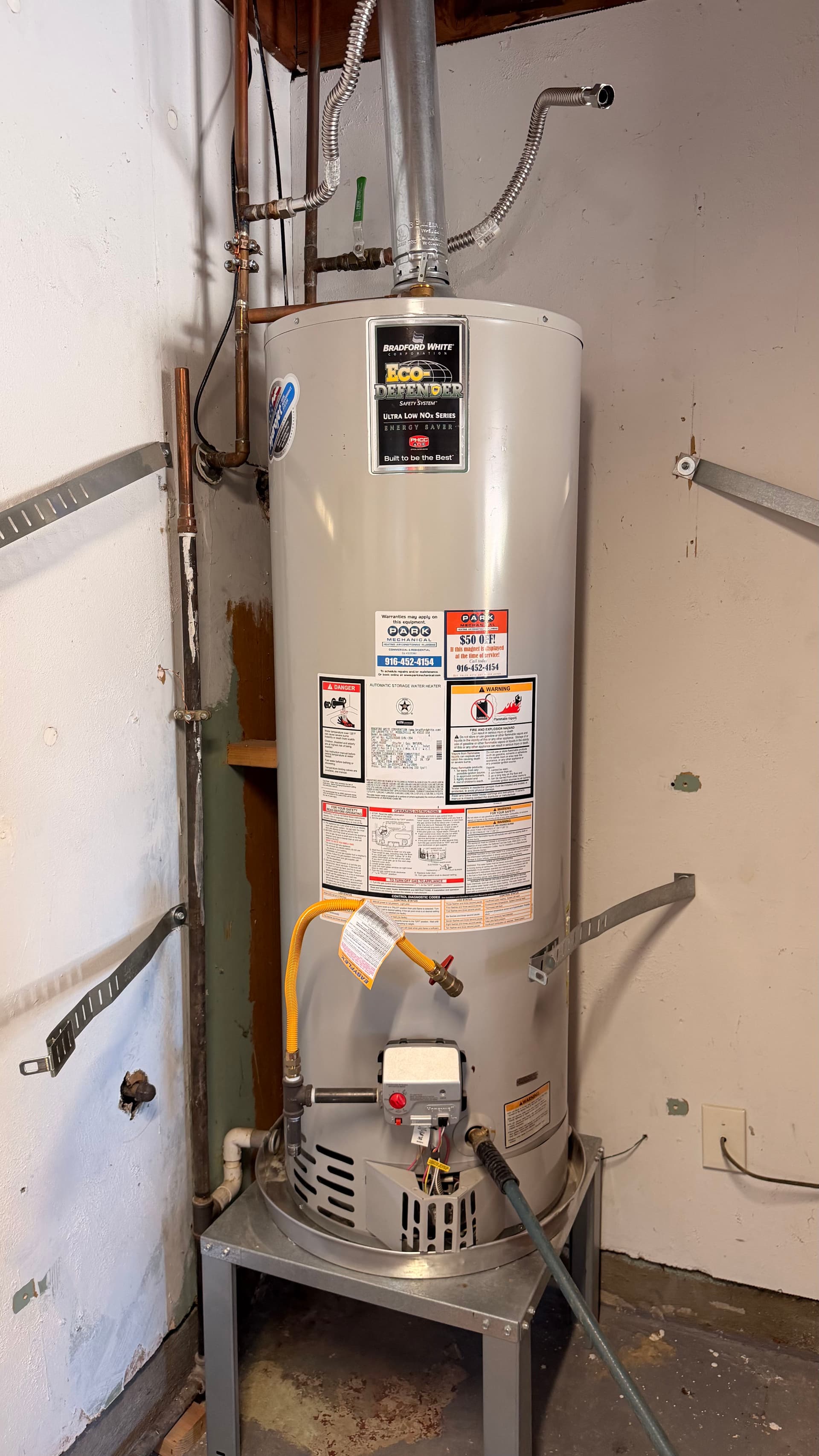
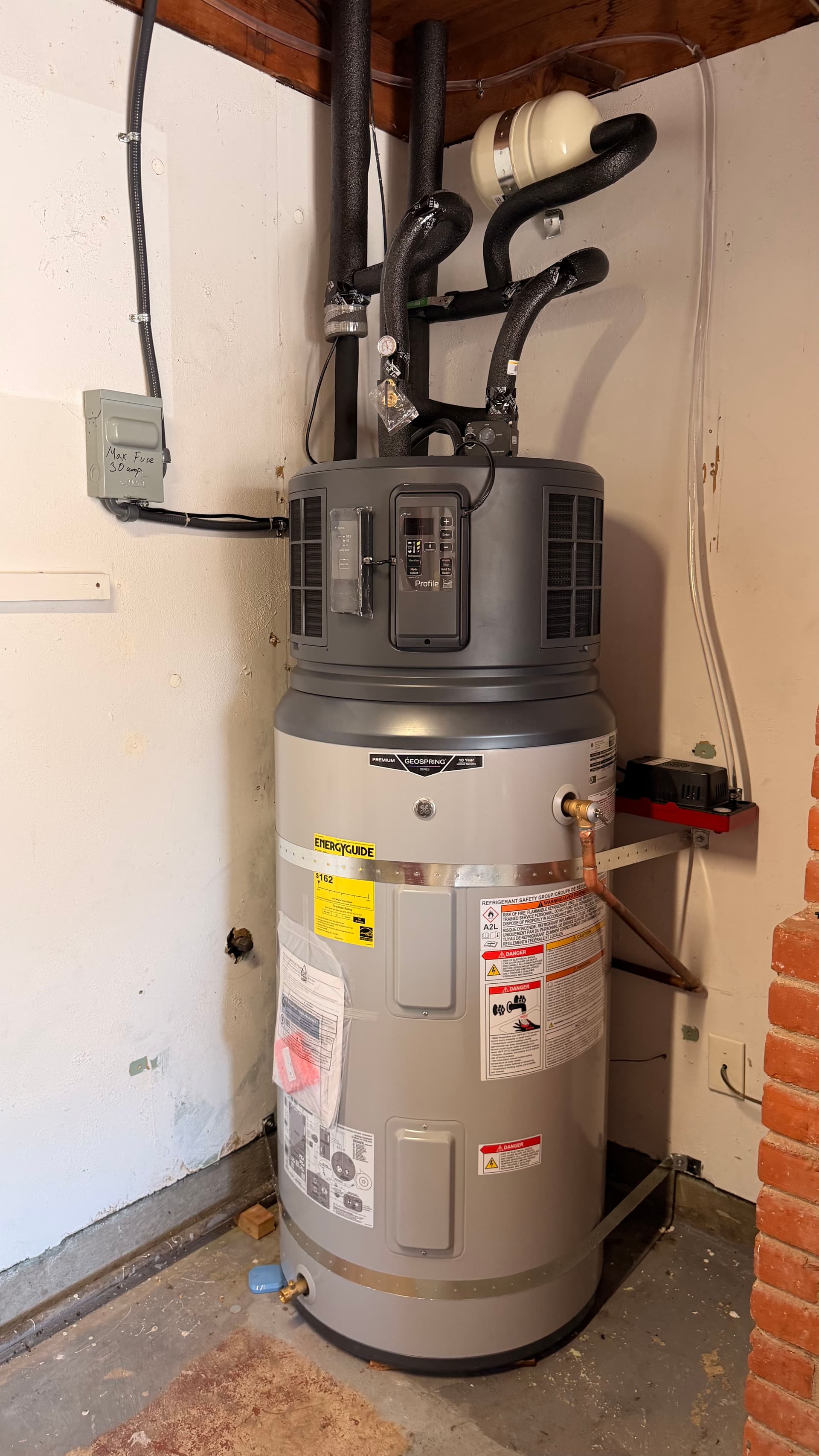
This home was running an older Bradford White gas water heater - functional, but not exactly efficient. The homeowner wanted to make the switch to something better, and a GE GeoSpring heat pump water heater was the right call. Heat pump water heaters pull heat from the surrounding air instead of burning fuel to generate it, which makes them significantly more efficient than traditional gas or standard electric units.
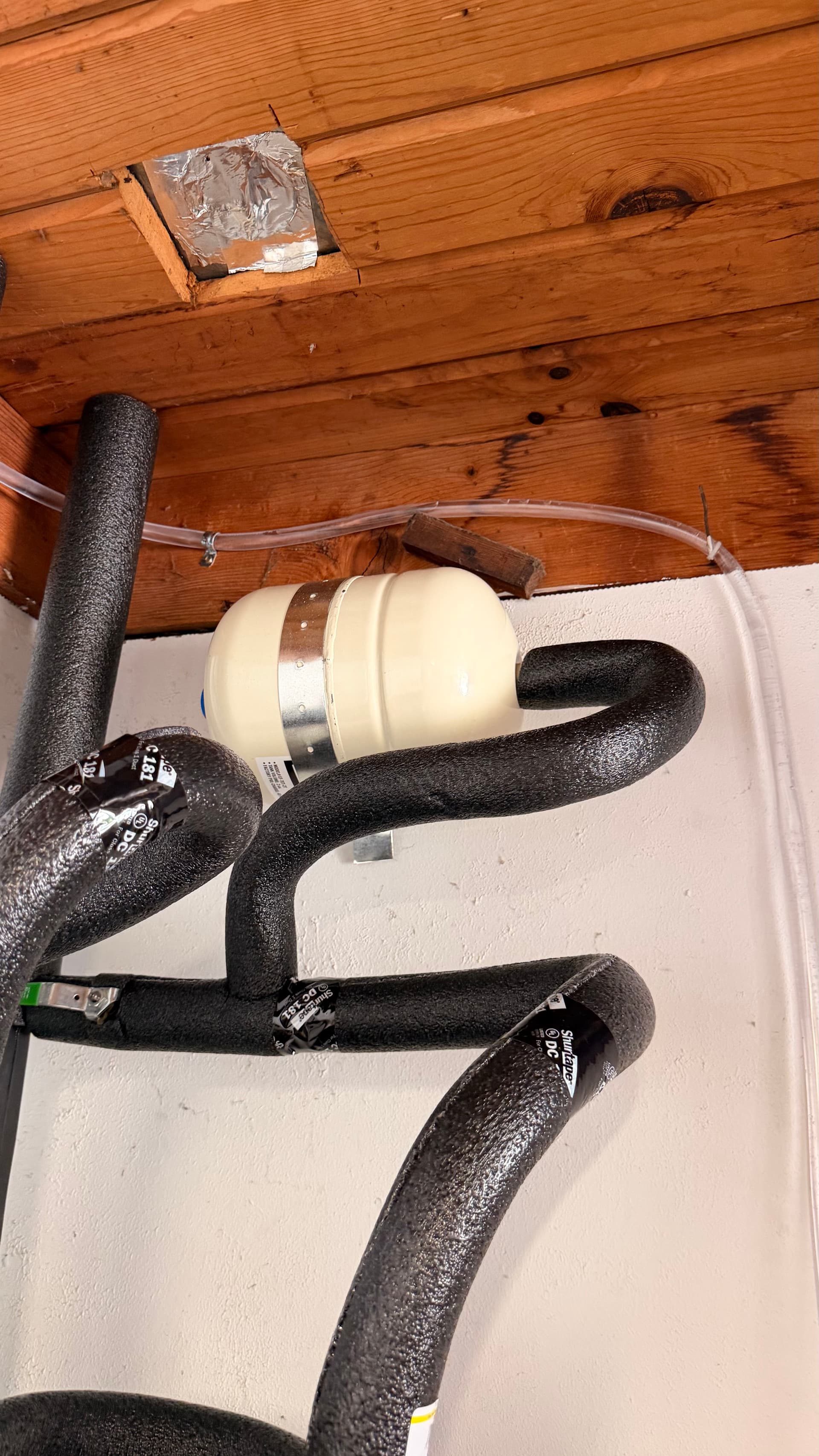
A job like this isn't just a swap-and-go. We ran new electrical with a dedicated 30-amp circuit, updated the plumbing connections, and added an expansion tank to protect the system from pressure buildup. Those details matter. Skip them and you're setting the homeowner up for problems down the road.
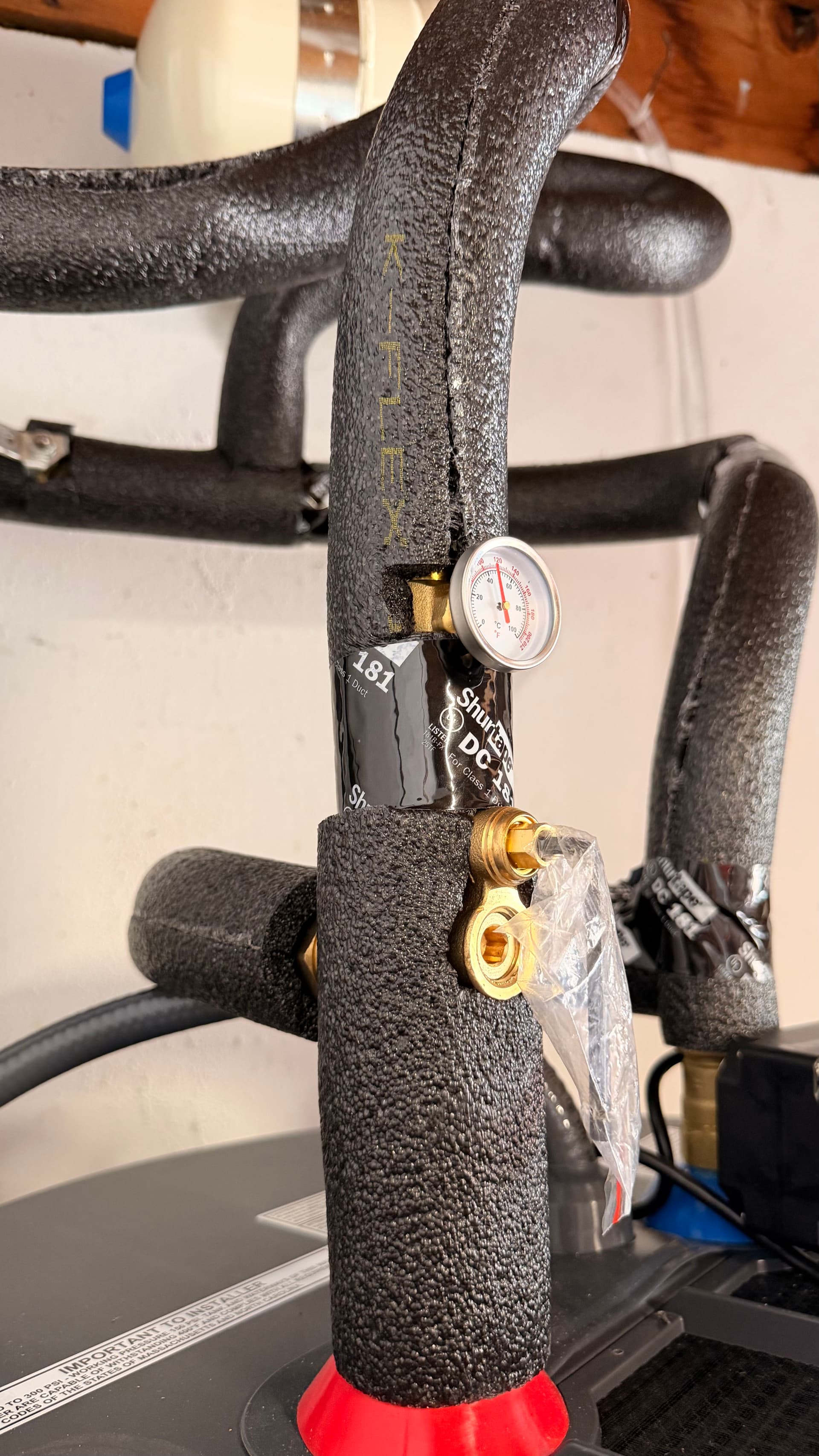
We also installed a mixing valve and fully insulated all the piping. The insulation keeps heat from escaping between the unit and the fixtures, which helps the system perform the way it's designed to. The mixing valve lets you store water at a higher temperature while delivering it at a safe, comfortable level at the tap - a small addition that makes a real difference for both safety and efficiency.
Once everything was in place, we ran a full system check before calling it done. That's just part of how we work. Whether it's a heat pump water heater conversion, a furnace installation, or a heating system repair, we're not wrapping up until we've verified that everything is operating correctly and the homeowner knows what they've got.
Conversions like this one are becoming more common as homeowners look for ways to cut energy costs without sacrificing comfort. If you've been thinking about making a similar upgrade, it's worth having a conversation about what it actually involves and whether it makes sense for your home.